 zpgmachine


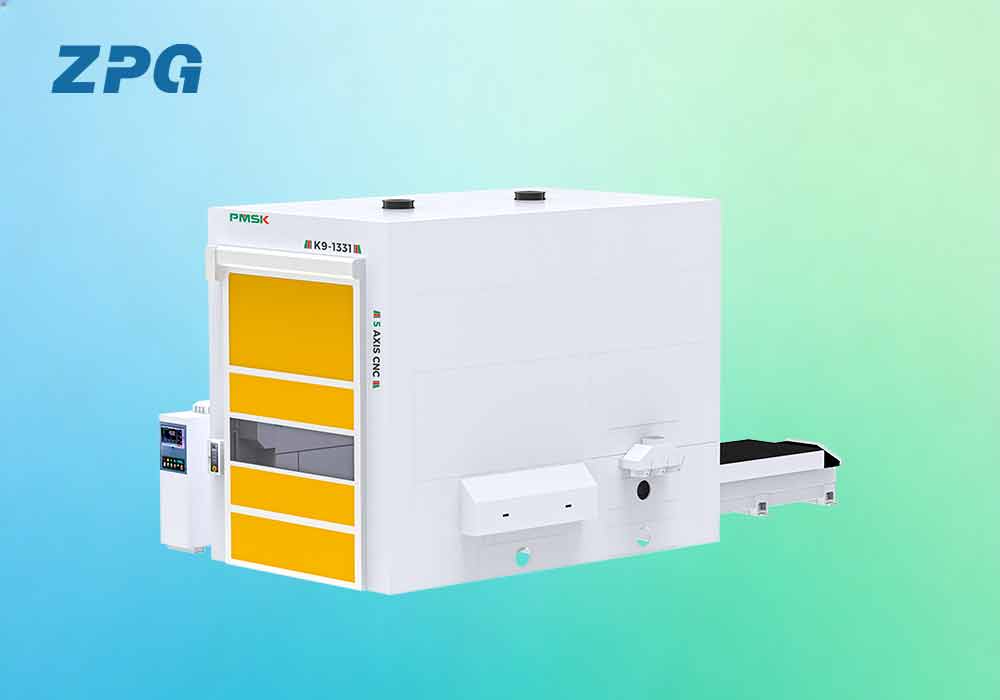
Core Role: Precision Manufacturing for Aerospace Components
5-axis machining center is an indispensable equipment in the aerospace manufacturing industry, specifically designed for processing high-precision, complex-shaped aerospace components such as turbine blades, engine casings, compressor disks, and satellite antennas. With the aerospace industry’s strict requirements for component accuracy, durability, and material compatibility, 5-axis machining technology has become the core solution to meet these demands, supporting the production of high-performance aerospace equipment. It is widely recognized as a key technology for aerospace precision manufacturing, adapting to the industry’s high standards for component quality and reliability.
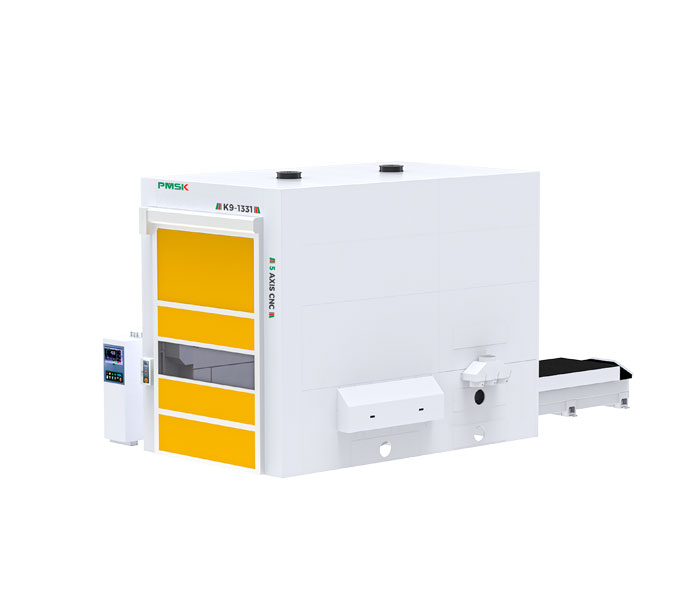
K9-1331 Fully Enclosed Five-Axis Machining Center
- ModelK9-1331
- Itinerary range2000*3800*1000mm
- Max processing1300*3100mm
- Spindle18kw(20-25kw)
- Voltage3P AC 380V/ 50HZ
- Tool magazine12-tool + 4-saw magazine
- Processing width1250-1560mm
- Processing length2500-3660mm
- Processing height500-1500mm
Technological Advantages: Overcoming Aerospace Machining Challenges
Equipped with 5-axis linkage technology, the machining center can complete multi-angle cutting, drilling, and trimming in one clamping, eliminating cumulative errors caused by repeated clamping. It efficiently processes difficult-to-machine materials commonly used in aerospace, such as titanium alloys, high-temperature alloys, and carbon fiber composites, solving pain points like material deformation, poor surface finish, and inaccessible cutting areas in traditional machining. The high rigidity and stability of the equipment ensure consistent processing quality even for complex aerospace components.
Industry Value: Boosting Aerospace Production Efficiency & Quality
The high precision and stability of 5-axis machining ensure that aerospace components meet micron-level accuracy standards, improving assembly precision and component reliability. It optimizes processing workflows, shortens production cycles, reduces material waste and rework costs, and adapts to both small-batch customized production and mass production of standard aerospace parts, driving the upgrading of aerospace intelligent manufacturing. This technology helps aerospace manufacturers enhance production efficiency and product competitiveness in the global market.
Popular Products
- View More
- View More
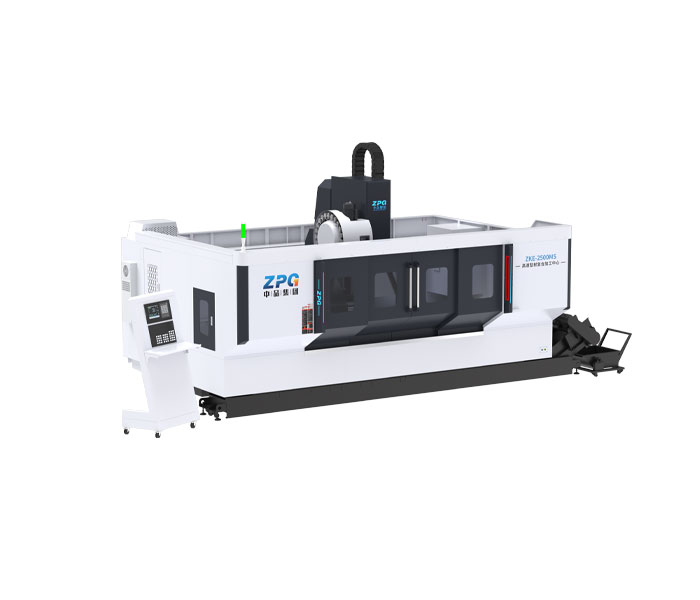
PD009-30120 / Semi-Enclosed 5-Axis Compound Machining Center
Italian water-cooled spindle ensures longer life, lower costs.12+3 tool magazine supports up to 500 mm saw blades for quick changes.Portable thickened multi-zone vacuum table keeps work-pieces stable.Optional: Electric door, scrap conveyor belt.
- View More
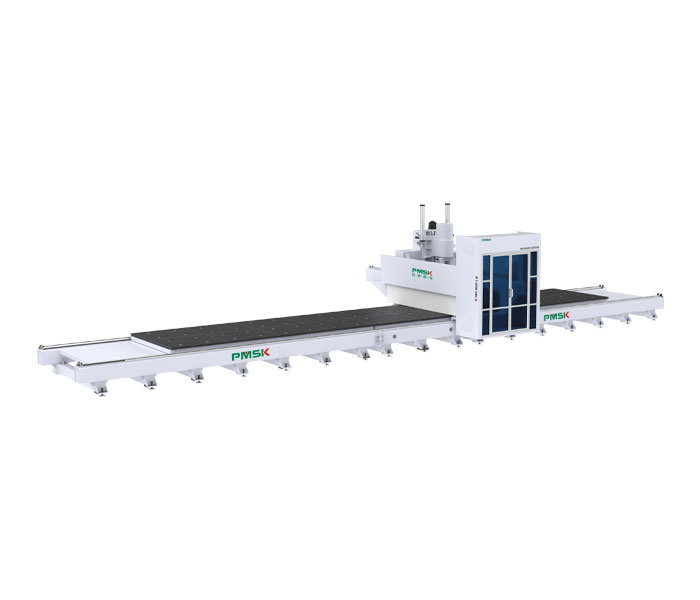
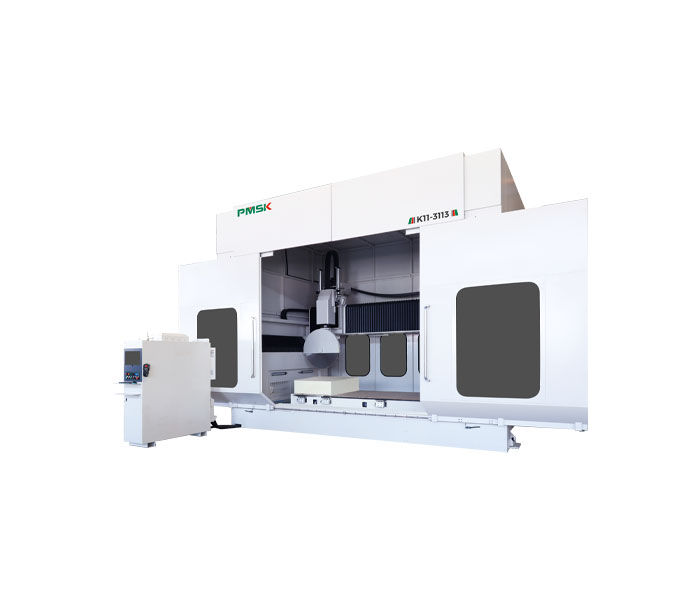
K11-3113 / Fully Enclosed 4-Axis Sawing Compound Machining Center
Italian water-cooled spindle ensures longer life, lower costs.12+3 tool magazine supports up to 500 mm saw blades for quick changes.Portable thickened multi-zone vacuum table keeps work-pieces stable.Optional: Electric door, scrap conveyor b…
- View More
loading…
已经是到最后一篇内容了!
Contact us
Professional team, quick reply