 zpgmachine


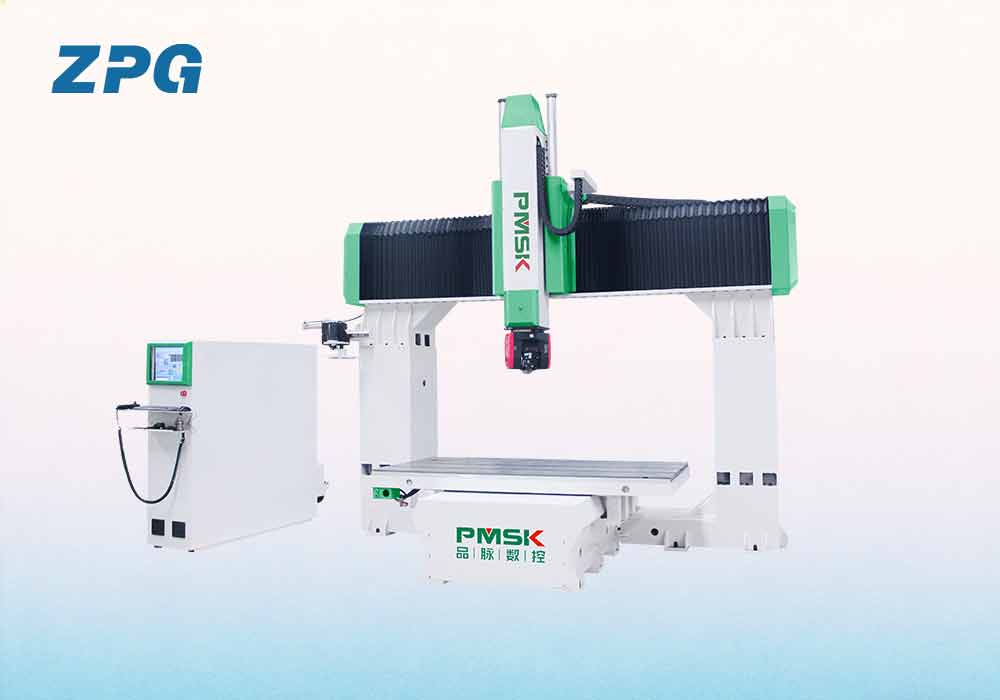
Core Application: Precision Processing for Medical Components
5-axis machining center plays a crucial role in the medical equipment manufacturing industry, specializing in processing high-precision medical components such as surgical instruments, medical implants, diagnostic equipment parts, and medical device casings. The medical industry has extremely strict requirements for component accuracy, biocompatibility, and surface smoothness, and 5-axis machining provides a reliable solution for meeting these standards. It is an essential technology for producing high-quality medical equipment that meets global medical standards.
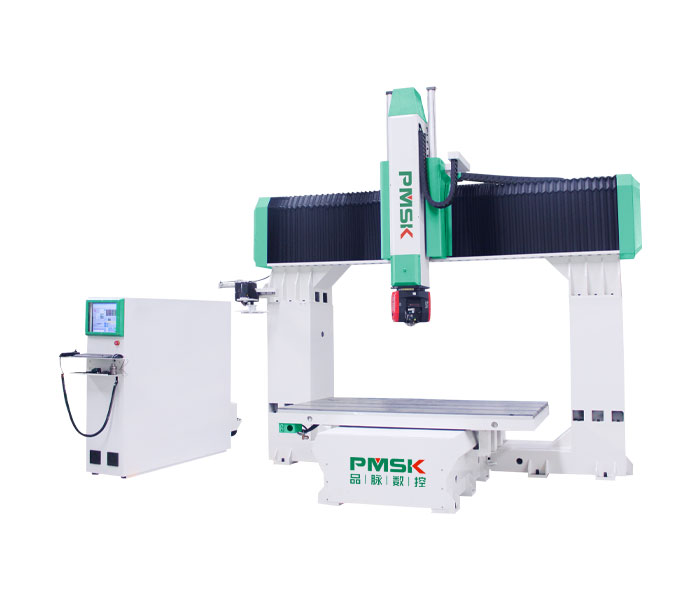
P9-2513 / Table-Moving 5-Axis Machining Center
- ModelP9-2513
- Itinerary range3050*1750*1000mm
- A/C axis range±120° / ±320°
- Workbench2500*1200mm
- Voltage3P AC 380V/ 50HZ
- Fast moving60/50/20m/min
- Spindle10kw(12-18kw)
- Tool magazine8-tool magazine
Technological Highlights: Ensuring Medical Component Precision
Leveraging 5-axis linkage and high-precision control systems, the machining center can complete complex processing tasks such as curved surface cutting, micro-drilling, and precision trimming in one clamping. It is compatible with medical-grade materials such as titanium alloy, stainless steel, and medical plastic, avoiding material contamination and ensuring biocompatibility while maintaining micron-level processing accuracy. The stable and precise processing capability ensures the safety and effectiveness of medical components.
Industry Significance: Promoting Medical Equipment Upgrading
5-axis machining improves the precision and consistency of medical components, enhancing the safety and effectiveness of medical equipment. It optimizes production processes, shortens delivery cycles, and adapts to small-batch, customized production of medical components, meeting the diverse needs of the medical industry. By reducing rework and material waste, it also lowers production costs for medical equipment manufacturers, driving the development of high-end medical equipment and supporting the advancement of the global medical industry.
Popular Products
- View More
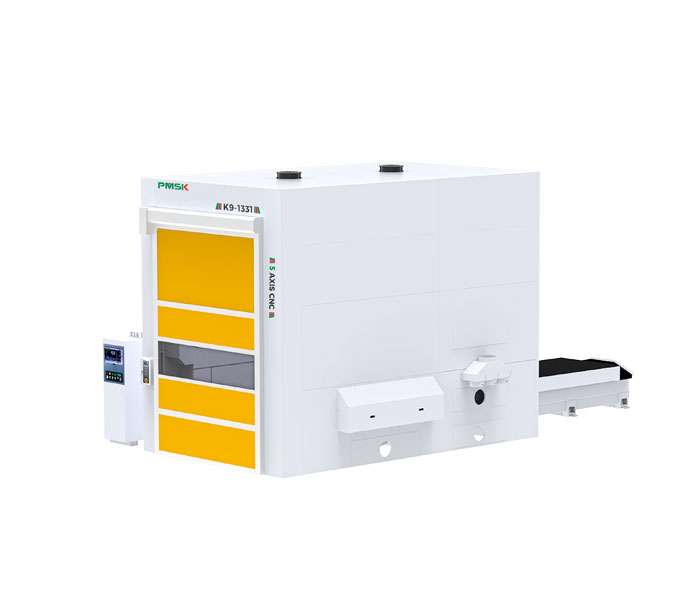
K9-1331 Fully Enclosed Table Moving Five-Axis Machining Center
K9-1331 Fully Enclosed Table Moving Five-Axis Machining Center
- View More
- View More
- View More
loading…
已经是到最后一篇内容了!
Contact us
Professional team, quick reply